
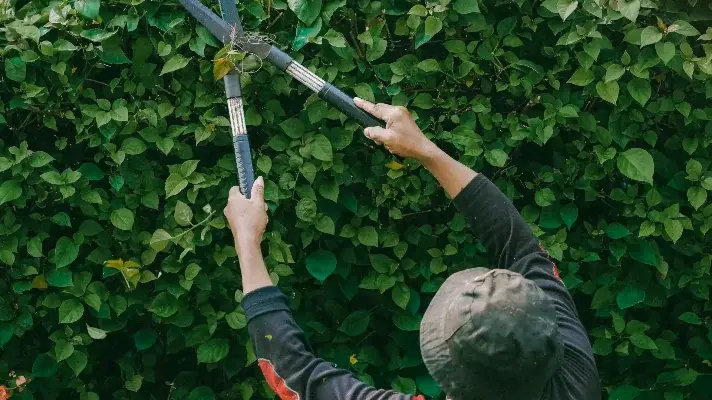
Why Regular Hedge Trimming Matters
Hedges aren’t just decorative. They can provide privacy, act as windbreaks, and add real structure to your garden. But without regular trimming, they can quickly become overgrown, patchy, and difficult to manage.
Keeping on top of your hedge trimming:
- Encourages dense, even growth
- Prevents hedges from becoming too wide or tall to manage safely
- Improves the overall appearance of your property
- Allows light and airflow into the plant, reducing disease risk
- Keeps pathways, fences, and structures clear
Neglected hedges can also become home to pests and disease, which may eventually spread to other plants in your garden. Consistent maintenance is far easier (and less costly) than trying to rescue a badly overgrown hedge.
How Often Should You Trim Your Hedges?
As a general rule, most hedges benefit from trimming two to three times per year. However, the ideal frequency varies depending on the species and growth rate.
For help arranging the work, see hedge trimming and maintenance in Auckland. Include the hedge’s dimensions, access and the shape you want to retain when enquiring.
Fast-Growing Hedges
Species like pittosporum, privet, and leylandii can put on significant growth during spring and summer. These may need trimming three to four times a year – or even more frequently if you’re maintaining a formal, clipped shape. Staying on top of fast-growing hedges prevents them from getting out of hand between cuts.
Slow-Growing Hedges
Slower-growing species such as box (buxus) or native hedging plants typically only need trimming once or twice a year. For these varieties, over-trimming can do more harm than good, so it’s important to let them establish between cuts.
Formal vs Informal Hedges
Formal hedges, those maintained with clean, straight lines, require more frequent trimming to keep their shape. Informal or natural-style hedges can generally be trimmed less often, with a lighter hand each time.
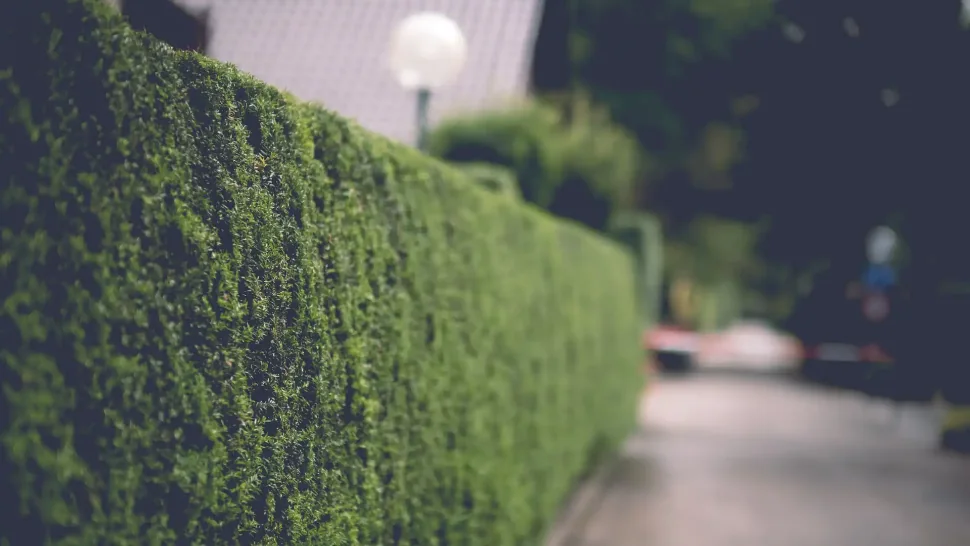
The Best Times of Year to Trim Hedges in New Zealand
In New Zealand’s climate, the main hedge trimming windows are:
- Late spring (October-November): Ideal for a first trim after the main growth flush. This sets the shape for the warmer months ahead.
- Mid-summer (January-February): A tidy-up trim to keep things neat during peak growing season.
- Late summer to early autumn (March-April): A final cut before growth slows, helping hedges hold their shape through winter.
Avoid trimming during periods of frost or extreme heat, as freshly cut foliage is more vulnerable to damage. For tree trimming Auckland, including hedges across the greater Auckland region, our mild climate means you have a longer working window compared to other parts of New Zealand.
Tips for Healthy, Neat Hedges
Getting the timing right is just one part of the picture. Here are a few extra tips to keep your hedges in great shape:
Use the Right Tools
Sharp, clean tools make a real difference to the quality of the cut. Blunt blades tear rather than cut cleanly, which can damage plant tissue and increase the risk of disease. Hedge shears work well for lighter trimming, while electric or petrol hedge trimmers are more efficient for larger hedges.
Don’t Remove Too Much at Once
As a rule of thumb, avoid removing more than one-third of a hedge’s growth in a single cut. Taking off too much at once can stress the plant and lead to patchy, uneven regrowth. If your hedge has become significantly overgrown, it’s better to reduce it gradually over a couple of seasons.
Trim to a Slight Taper
When shaping a hedge, aim for a slight taper, slightly wider at the base than at the top. This allows sunlight to reach the lower branches, which helps maintain dense growth all the way down rather than leaving the base thin and bare.
Clean Up After Trimming
Remove all clippings from around the base of the hedge after trimming. Leaving cuttings to decompose on the plant can introduce fungal diseases. Consider putting clippings through a mulching service to turn green waste into something useful for your garden.
When to Call in a Professional
Light trimming is something most homeowners can manage themselves. But for larger hedges, those growing near fences or structures, or hedges that have become significantly overgrown, it’s worth calling in a professional.
Certified arborists have the training, equipment, and expertise to trim hedges safely and effectively – even at height or in difficult locations. They can also provide advice on tree pruning for any trees growing alongside or above your hedges.
Keep Your Hedges Looking Their Best with Heaven Contracting
At Heaven Contracting, we provide expert hedge trimming and tree services for residential and commercial properties across the greater Auckland area. With over 25 years of experience, our team can help you maintain a tidy, healthy garden all year round.
Whether you need a one-off tidy-up or regular seasonal maintenance, we’re here to help. Contact Heaven Contracting today for a free, no-obligation quote.