
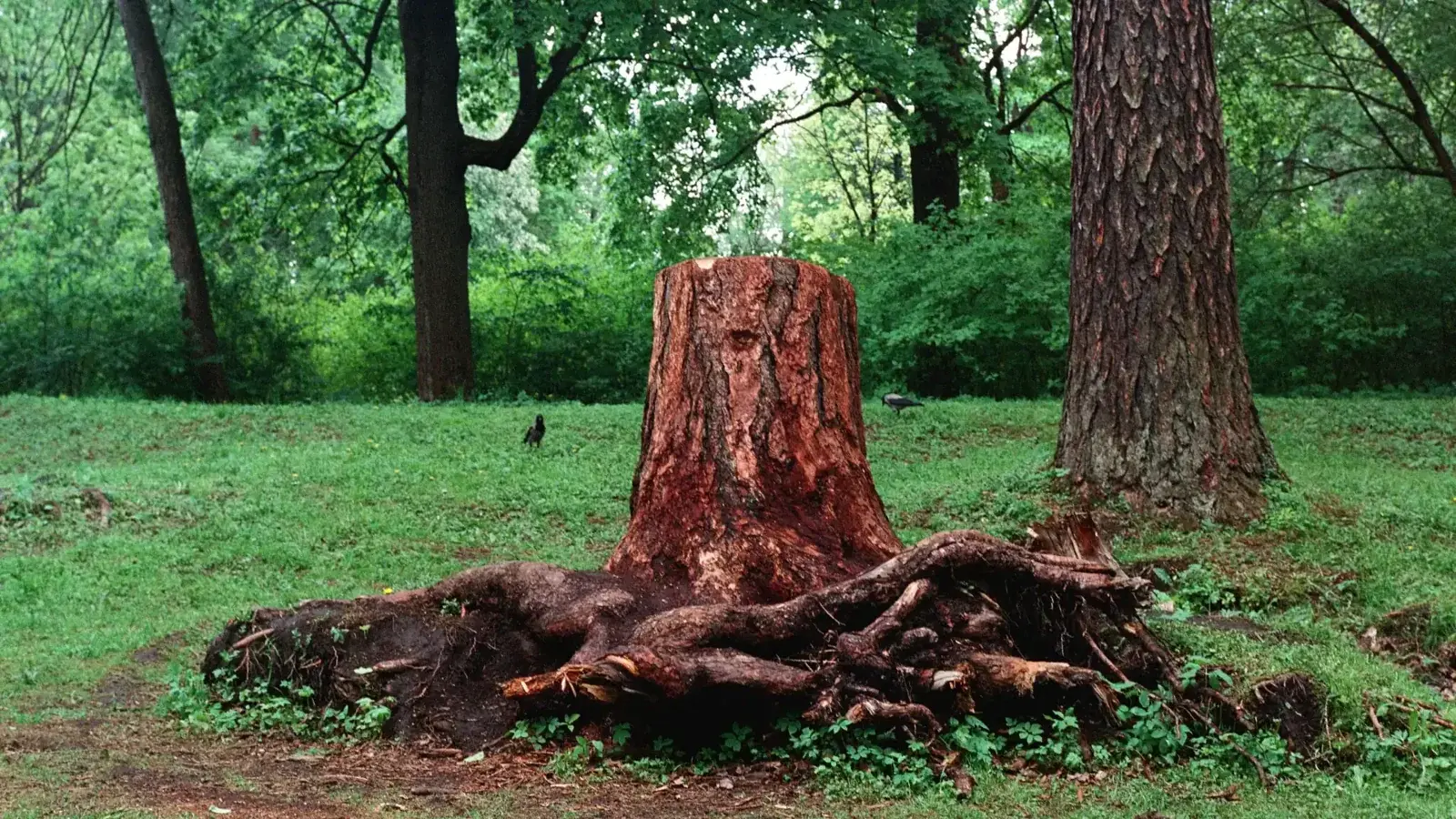
Part of the problem is that the industry uses these terms loosely, and part of it is that they genuinely are two different methods with different outcomes. Here's what separates them, and how to work out which one suits your property.
Stump Grinding vs Stump Removal
The short version is that grinding takes the stump down, and removal takes the stump out. Stump grinding uses a machine with a rotating cutting wheel to chew the stump down below ground level. The stump disappears, the hole gets filled with the grindings, and the roots stay in the soil to break down on their own over the following years.
Full stump removal means digging the stump and its main root ball out of the ground entirely, usually with a digger. Nothing's left behind, but you're looking at a decent hole and a fair bit of churned-up ground.
One thing worth knowing before you compare quotes. Plenty of contractors use "stump removal" as a catch-all for getting rid of a stump by any method, grinding included. If a quote just says stump removal, it's worth asking which one they mean.
| Stump grinding | Full stump removal | |
|---|---|---|
| Method | Machine grinds the stump below ground level | Stump and root ball excavated |
| What's left | Roots remain and decay over time | Nothing, but a hole to backfill |
| Site disruption | Minimal | Significant |
| Typical time | Often under two hours | Usually longer, sometimes a full day |
| Relative cost | Lower | Higher |
| Best for | Lawns, gardens, general tidy-up | Building, paving, replanting in place |
What choosing grinding means for the ground
Grinding works on the stump in place, while excavation lifts out the stump and root ball. For the grinding process, remaining roots, handling the material and preparing lawn or planting afterwards, see the stump grinding and aftercare guide.
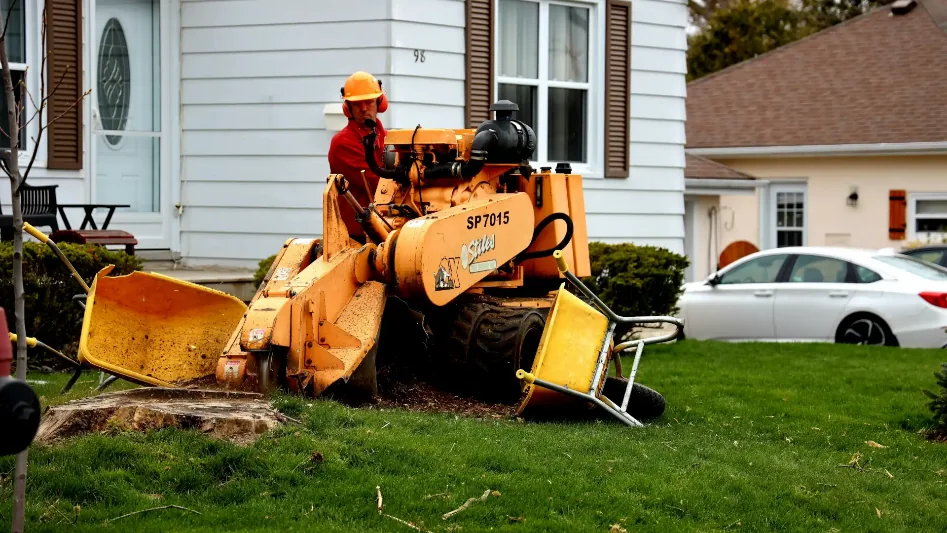
Where grinding works well:
- Faster, and usually done in a single visit
- Generally the cheaper of the two options
- Very little disruption to lawns, paths, and garden beds
- No spoil to dispose of
Where it falls short:
- The root system stays in the ground for years
- Not enough on its own if you're pouring foundations or laying a driveway
- Planting a new tree in exactly the same spot is awkward
How Full Stump Removal Works
Excavation means getting underneath the stump and lifting the whole root plate out, generally with a digger, occasionally by hand on smaller stumps. It's the more thorough option, and it's the right call in a handful of specific situations.
The trade-off is what it does to your section. You're left with a hole the size of the root ball that needs backfilling with topsoil, and the machinery has to get in and out, which often means tracks across the lawn, damaged edging, and the odd broken irrigation line.
Where removal works well:
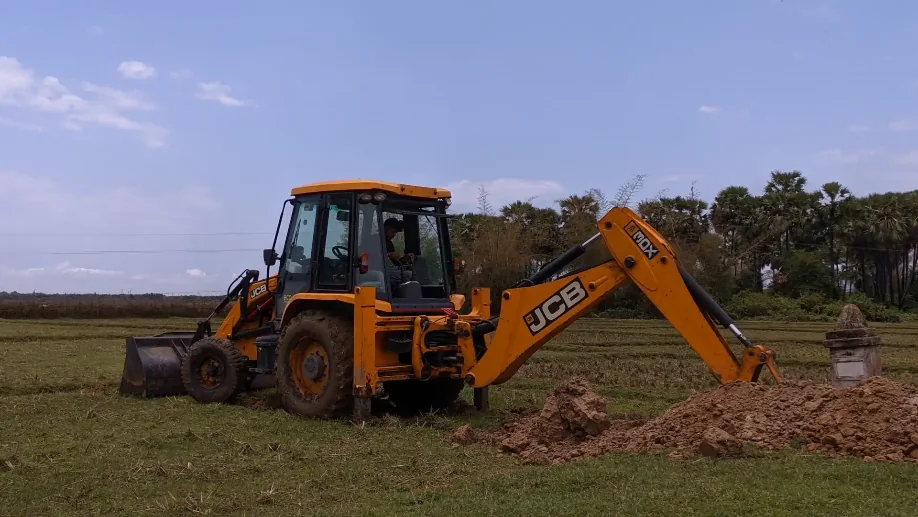
- The stump and main roots are gone completely
- The ground is clear for building, paving, or replanting
- Nothing left to resprout or hold onto disease
Where it falls short:
- More expensive and more time on site
- Leaves a large hole to fill
- Machinery access can do real damage to a tidy garden
- Often not possible on tight sections, near buildings, or over services
What is the Cost of Stump Grinding vs Removal?
Nobody can give you a set price for either method, because the variables do most of the work. What drives the cost is:
- The diameter of the stump
- How hard the timber is
- How easily the machine can get to it
- How deep you need to go
- Whether the grindings are being left on site or taken away
As a general rule, grinding sits at the lower end, and full excavation sits well above it, sometimes by a wide margin. That gap isn't really about the labour involved in the stump itself. It's the machinery, the spoil disposal, and the backfill that push excavation up.
Can You Remove a Stump Yourself?
Fair question, and there are a few routes people try. Chemical stump killers and the old remedies of salt and copper sulphate do work eventually. The catch is that eventually can mean a couple of years, and you're left with soil you won't want to plant into for a while yet.
Burning sounds quicker, but it needs a permit in most urban parts of Auckland and the restrictions shift with the season. Fire and Emergency New Zealand publishes the current status by location.
That leaves hiring a grinder, which is where the real risk sits. These machines throw debris, and they kick back, but it's what's underneath that catches people out: water, gas, irrigation, and fibre all run shallower than you'd think.
One more thing to check first. If the tree was protected under Auckland Council rules, there may be conditions covering the stump as well.
Not Sure Which One You Need?
We've been grinding and digging out stumps across the greater Auckland area for more than 25 years, and for most properties the honest answer is that grinding does everything you need it to. But it's worth having someone look before you commit either way.
Our certified arborists will have a look at the stump, tell you which method suits the site, and give you a free, no-obligation quote. Get in touch with the team, and we'll sort it out.