
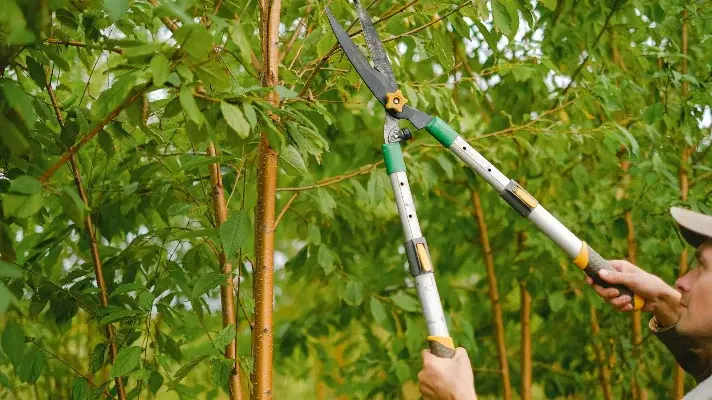
What Is Tree Trimming?
Tree trimming is primarily focused on the aesthetic appearance of your trees and hedges. It involves cutting back overgrown branches, shaping shrubs, and keeping trees looking neat and well-maintained. Trimming is largely about managing the visual presentation of your greenery and ensuring it complements your property.
Common reasons to trim trees include:
- Keeping trees and hedges shaped and tidy
- Preventing branches from overhanging roofs, paths, or fences
- Maintaining clear sightlines or improving kerb appeal
- Reducing density to allow more light into your garden
For professional results, tree trimming in Auckland can help keep your property looking its best year-round.
What Is Tree Pruning?
Tree pruning, on the other hand, is a more targeted practice focused on the health and structure of the tree itself. Pruning involves the selective removal of specific branches to improve the tree’s overall condition, encourage healthy growth, and reduce potential hazards.
Pruning is typically carried out to:
- Remove dead, diseased, or damaged branches
- Improve airflow and light penetration through the canopy
- Encourage stronger, more balanced branch structure
- Reduce the risk of falling limbs during storms
- Promote better fruit or flower production
Because pruning directly affects the biology of the tree, it’s important that cuts are made correctly. Poor pruning technique can introduce disease, cause long-term structural damage, or even kill a tree. This is why many homeowners turn to a certified arborist for tree pruning work.
Key Differences Between Trimming and Pruning
While both practices involve cutting branches, there are several important distinctions:
Purpose
Trimming is about looks; keeping things neat and tidy. Pruning is about health, removing what’s harmful and supporting better growth.
What Gets Removed
Trimming generally targets overgrown or excess growth. Pruning focuses on specific problem branches – those that are dead, diseased, crossing, or structurally weak.
Tools Used
Trimming typically uses hedge trimmers or shears for a uniform cut. Pruning uses loppers, hand saws, or chainsaws depending on the branch size, with careful attention to cutting technique and angle.
Timing
Timing depends on the species, condition and purpose of the work, whichever term is used. The pruning timing guide explains winter pruning, summer exceptions and flowering considerations.
When Should You Trim vs Prune?
As a general rule:
- For native New Zealand trees, timing and technique matter even more. Species like pōhutukawa benefit from careful, light pruning at the right time of year to avoid unnecessary stress.
If you’re unsure which service your trees need, the best approach is to consult with a qualified arborist who can assess the condition of your trees and recommend the right course of action.
If the work is mainly on a boundary hedge, use the hedge trimming frequency guide for maintenance planning and the hedge service page for enquiries.
Can You Do It Yourself?
Light trimming, which is shaping a hedge or cutting back small branches, is something many homeowners can handle with the right tools and safety precautions.

However, pruning larger trees, particularly those near structures, power lines, or above head height, should always be handled by professionals.
Working at height with chainsaws and heavy branches carries serious risks. Certified arborists are trained to carry out this work safely, efficiently, and in a way that protects the long-term health of your trees.
After major trimming or pruning work, stump grinding and mulching services can help clear your property and make use of the green waste.
Expert Tree Trimming and Pruning in Auckland
At Heaven Contracting, we provide a full range of arboriculture services for residential and commercial properties across the greater Auckland area. With more than 25 years of experience, our certified arborists can help with everything from routine trimming to complex structural pruning.
Whether your trees need a tidy-up or a more detailed assessment, we’re here to help. Contact Heaven Contracting today for expert advice or a free quote.