
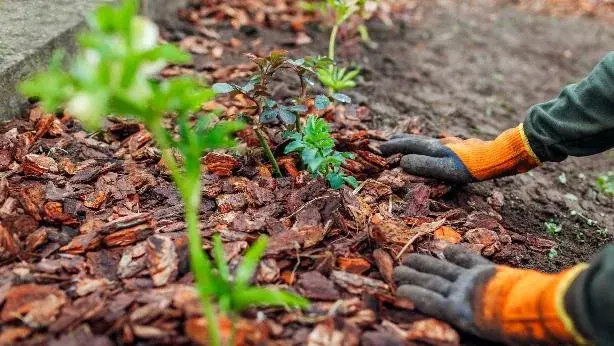
Mulch is a protective layer placed on top of soil around plants, trees, and garden beds. While it certainly makes gardens look tidy and professional, mulch also plays an important role in improving soil health, retaining moisture, and helping plants thrive. For homeowners and business owners across New Zealand, understanding how mulch works can make a big difference in the long-term health of your outdoor spaces.
Let’s break down the basics.
What is Mulch?
In simple terms, mulch is any material spread over soil to improve growing conditions and protect the ground underneath. Mulch can be organic, meaning it comes from natural materials, or inorganic, meaning it’s made from manufactured or non-decomposing materials.
The main purpose of mulch is to create a protective barrier between the soil and the elements. This helps regulate temperature, reduce moisture loss, and prevent weeds from taking over your garden beds.
Mulching is widely used in landscaping throughout New Zealand, particularly in residential gardens, commercial landscapes, and around trees where soil protection is important.
The Different Types of Mulch
Not all mulch is the same. The type you choose will depend on your landscaping goals, the plants you’re supporting, and the overall look you want to achieve.
1. Organic Mulch
Organic mulch is the most common option and is widely used in New Zealand landscaping. It includes materials such as:
- Wood chips
- Bark mulch
- Leaf litter
- Straw or hay
- Compost
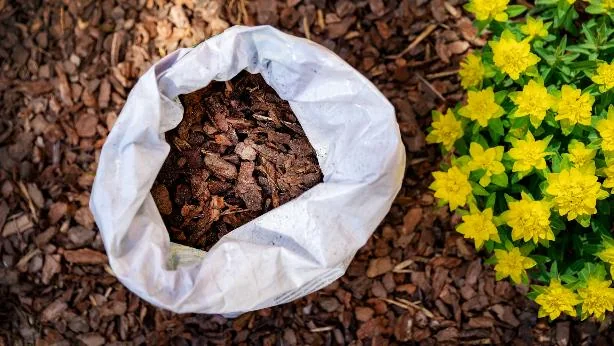
Organic mulch naturally breaks down over time, adding nutrients back into the soil. This process improves soil structure and encourages beneficial microorganisms to thrive.
Wood chip mulch, often produced from tree pruning or removal, is especially popular because it’s durable and environmentally friendly.
2. Inorganic Mulch
Inorganic mulch includes materials that do not break down, such as:
- Gravel
- Stones
- Landscape fabric
- Rubber mulch
These options are sometimes used in decorative landscaping or areas where minimal maintenance is required. However, they don’t improve soil health in the same way organic mulch does.
For most gardens and tree beds, organic mulch is generally the better choice.
When Should You Use Mulch?
Mulching can be done at almost any time of year, but certain seasons offer the greatest benefits.
Spring
Applying mulch in spring helps retain moisture in the soil and suppress weeds as plants begin to grow.
Summer
Mulch acts like insulation during hot New Zealand summers, helping soil retain water and protecting plant roots from heat stress.
Autumn
Autumn mulching helps prepare gardens for winter by protecting soil from heavy rain and temperature fluctuations.
Many landscapers recommend refreshing mulch once or twice per year to maintain its effectiveness.
Benefits of mulching trees and garden beds
Mulching Helps Trees Retain Moisture (Especially in NZ Summers)
New Zealand weather can be unpredictable – hot, dry summers followed by sudden downpours. Mulch acts like a protective blanket over the soil, slowing evaporation and helping tree roots retain moisture for longer.
This is especially beneficial during Auckland’s dry spells, reducing the need for constant watering and helping trees cope with heat stress. For commercial properties, this can also mean lower irrigation costs and less maintenance.
It Improves Soil Health from the Ground Up
Healthy trees start with healthy soil. Organic mulch (such as wood chips from tree pruning or removal) gradually breaks down, returning valuable nutrients to the soil.
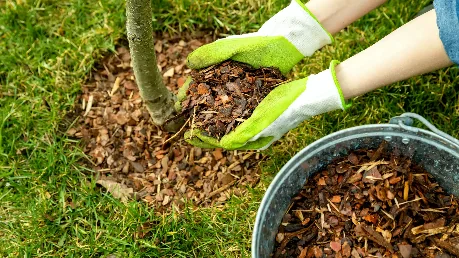
Over time, mulching improves soil structure, increases beneficial microbial activity, and enhances aeration. This creates a healthier environment for roots to grow deeper and stronger, resulting in more resilient trees that are better equipped to handle storms and disease.
Mulch Naturally Suppresses Weeds
Weeds don’t just look untidy. They compete with trees for water and nutrients. A properly applied mulch layer blocks sunlight from reaching weed seeds, significantly reducing their ability to germinate.
For homeowners, this means less time spent pulling weeds. For businesses, it means cleaner, more professional-looking outdoor spaces with less ongoing maintenance. It’s a win-win.
It Protects Tree Roots from Temperature Extremes
Tree roots are far more sensitive to temperature changes than many people realise. Mulch acts as insulation, keeping soil cooler in summer and warmer in winter.
This is particularly important in urban environments where paved surfaces and compacted soil can cause extreme temperature fluctuations. Mulching helps buffer these changes, protecting roots from stress and supporting consistent growth year-round.
Mulching Reduces Soil Compaction and Erosion
Heavy rain is common across many parts of New Zealand, and without protection, bare soil can quickly compact or wash away. Mulch absorbs rainfall impact, allowing water to soak into the soil rather than run off.
This reduces erosion around tree bases and helps maintain stable soil conditions, especially important on sloped sections, commercial sites, or properties near driveways and footpaths.
It Supports Long-Term Tree Health and Longevity
One of the most overlooked benefits of mulching trees is its role in preventing long-term issues. Healthy soil, stable moisture levels, and protected roots all contribute to stronger trees with fewer problems over time.
Well-mulched trees are less likely to suffer from stress-related diseases, pest infestations, or premature decline. For property owners, this can mean fewer costly callouts for remedial tree work down the line.
How to Apply Mulch Correctly
Applying mulch is relatively simple, but there are a few important tips to keep in mind.
- Apply mulch in a ring around a tree, keeping it away from the trunk.
- Spread mulch 50–100mm thick around plants and trees.
- Cover the root zone where possible.
- Avoid piling mulch too deeply or creating a mound against the bark.
Proper mulching helps plants thrive while maintaining a clean and professional look in your landscape.
Mulching Trees and Garden Beds in New Zealand
Mulching is one of the easiest ways to improve the health of your trees and garden beds. Whether you’re maintaining a home garden, managing commercial landscaping, or caring for mature trees, mulch supports healthier soil and stronger plant growth.
Many arborists and landscaping professionals use recycled green waste from tree pruning or removal to create natural wood chip mulch – an environmentally friendly option that benefits both your garden and the wider ecosystem.
Arranging mulch or handling tree cuttings
For chipping, removal of pre-cut tree rubbish or bulk mulch enquiries, see the Auckland mulching service page. Discuss the material, quantity and access so the requested work is clear.
If the material comes from stump grinding, read what to do with stump grindings before deciding how to use it around the garden.